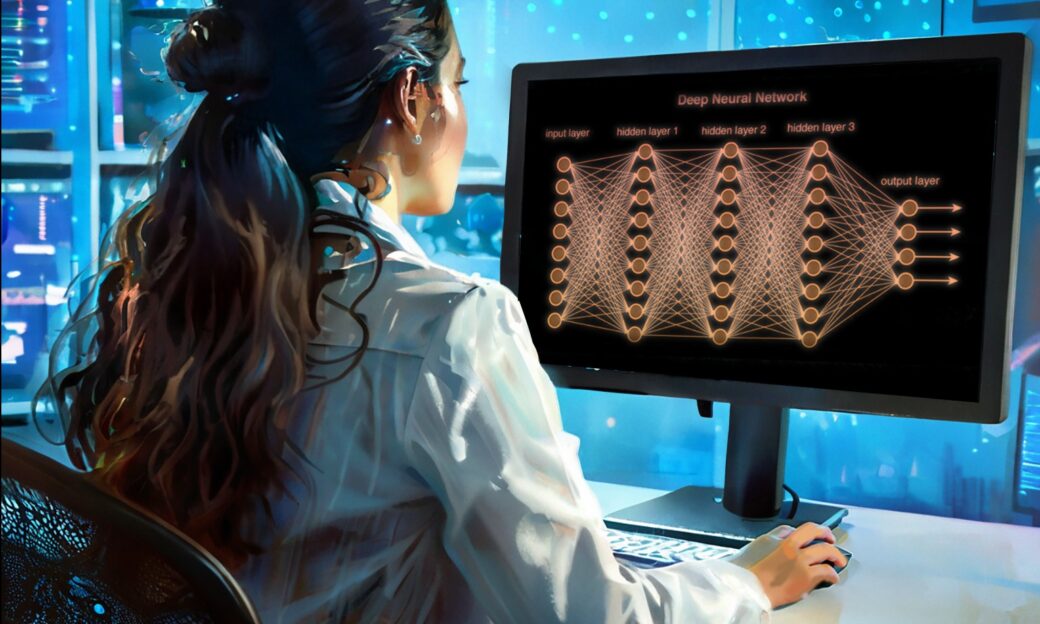
Innovating in the polymer industry requires precision, speed, and a deep understanding of material behaviour. The Enabling tools & technologies programme tackles this challenge by developing and integrating advanced modelling, high-throughput experimentation, and artificial intelligence. This programme provides essential insights into polymer behaviour like rheology, aging, fatigue, and creep, empowering industrial partners to drive the next generation of polymer materials and applications.
The Enabling tools & technologies programme enables breakthrough innovation through:
- Advanced catalysis & polymer chemistry: developing novel polymer materials and catalytic processes to push the boundaries of polymer science.
- Reactor engineering & process optimisation: enhancing polyolefin production processes for efficiency, scalability, and sustainability.
- Structure-processing-properties relationship: deepening the understanding of how polymer structure and processing influence material behaviour and performance.
- Next-generation analytical tools & AI-driven materials research: leveraging cutting-edge analytics and AI to accelerate material design, predictive modelling, and discovery.
Through these capabilities, the programme strengthens industrial partners’ research strategies, reducing development timelines and increasing innovation success rates.
Key research areas and active projects
Advanced catalysis & polymer chemistry

ZN-TCLB
Developing next-generation Ziegler-Natta catalysts with temperature-controlled composition tuning, increasing precision in polymer production.
View project
C1_QSPR
How do you steer catalyst behaviour when your system has more than one active site? That’s the challenge at the heart of C1_QSPR project, exploring how C1-symmetric catalysts behave in olefin copolymerisation, where multiple active sites may compete, and how to predict that behaviour before synthesis even begins.
View projectNext-generation analytical tools & AI-driven materials research
HTT-Advanced
Making the pilot High temperature field fractionation set-up ready for commercial development and available to the global polyolefin industry.
View websitePolyMIND
Enabling early detection of key fault types in composites, extraction of comprehensive health indicators, and prediction of remaining useful life.
View website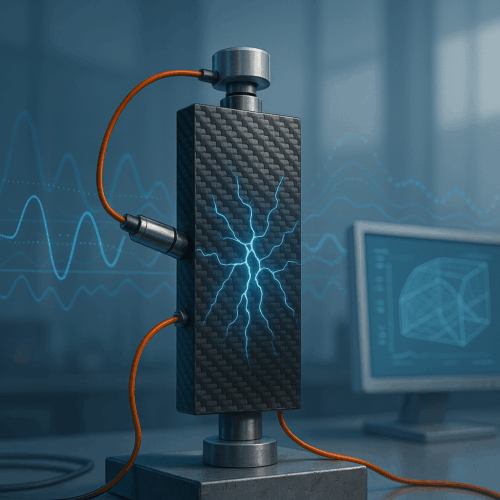
TRAIL
TRAIL combines electrical sensing and machine learning to monitor damage in fibre-reinforced thermoplastic composites.
View project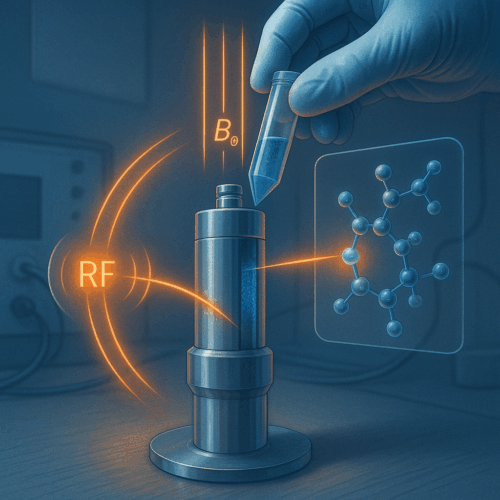
HYPERFAST 2
HYPERFAST 2 applies ultrafast MAS NMR to study polymer–fibre interfaces and improve resolution in polymer characterisation.
View project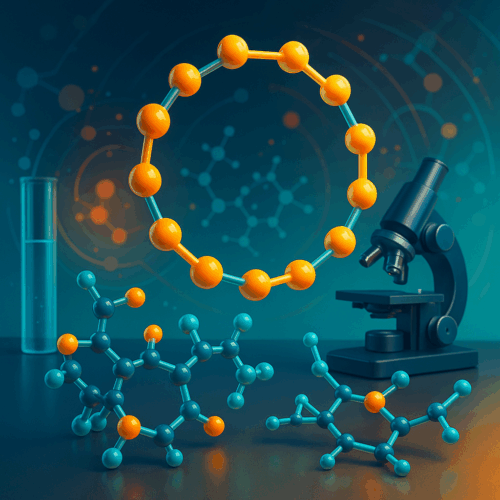
Topological Performance Polyolefins (TPPO)
TPPO explores how cyclic polyolefins can improve the performance of industrial resins. The project focuses on advanced synthesis and the rheological behaviour of new polymer topologies.
View projectReactor engineering & process optimisation
SLUGGER
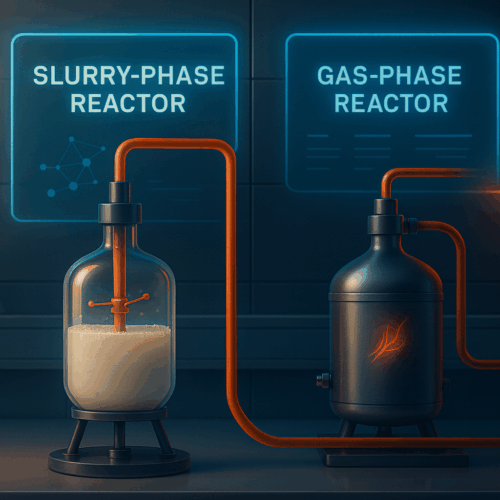
SLUGGER explores how catalyst performance in slurry-phase reactors can be translated to gas-phase conditions. The project combines modelling and experimentation to support better reactor understanding and scale-up decisions.
View project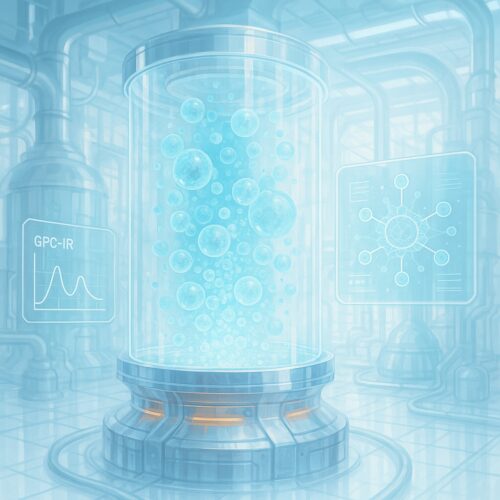
CASAFA
CASAFA investigates the root causes of fouling in fluidised bed reactors — from heat stress and triboelectrification to particle dynamics. Combining lab experiments with AI-powered analysis, the project delivers predictive insights to help industry prevent wall-sheeting, reduce downtime, and boost process stability.
View projectStructure-processing-properties relationship
SCOPE
Understanding how soluble clarifiers may improve polypropylene’s optical and barrier properties.
View websiteMORPHORMANCE
Understanding load-induced morphological changes in PEEK and their effects on creep and fatigue behaviour, supporting high-performance applications.
PEARL
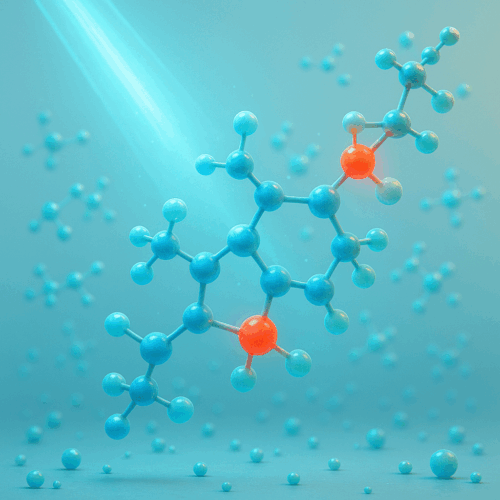
PEARL uses molecular simulation to investigate how physical ageing and chemical degradation affect the behaviour of glassy polymers.
View projectBoost your R&D with DPI
By joining the DPI community, you gain access to pioneering tools that accelerate material development: AI, modelling, high-throughput experimentation, and cutting-edge analytical methods.
Curious about how this could enhance your R&D? Let’s discuss opportunities!

Claude Bostoen
Business development & programme manager
Programme partners





















































Latest updates
High-performance polymers: the key to sustainable innovation
AI in polymer science: why interdisciplinary teams are key
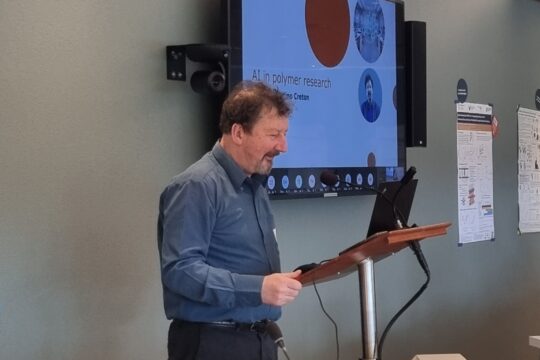
AI in polymer science: combining simulation and experiment for smarter research
PFAS-Free materials: opportunities and strategies for a sustainable shift
Questions or ideas?
Fill in the form and our programme manager will get back to you shortly.