DPI is just as important for training young talent as it is about developing knowledge. Both the early career researchers and the participating companies significantly benefit from their cooperation within DPI projects.


DPI is just as important for training young talent as it is about developing knowledge. Both the early career researchers and the participating companies significantly benefit from their cooperation within DPI projects.

The relevance of joining forces in method development for polymer analysis The DPI portfolio has a variety of topics on which companies collaborate to develop knowledge. A striking example is the development and application of methods and techniques for polymer analysis. This is a typical pre-competitive topic with great relevance, as demonstrated by several examples […]

The InReP project has concluded after four years of collaborative research into advanced recycling technologies for plastic packaging waste. DPI contributed as a co-founding partner of the Circular Plastics Initiative, focusing on system-level insights for circular plastics.

When polymer applications run close to the limits, quick fixes can hide the real cause, and problems come back. In this interview, Borealis’ Markus Gahleitner and DPI Executive Advisor Rein Borggreve explain why…

At the DPI Autumn Meeting 2025, we asked industrial and academic members what the DPI community means to them. Their answers underline the impact of collaborative research and shared ambition.

BioSolveCycle has launched to tackle contaminant removal in polyolefin recycling using bio-based solvents. Meet the researchers bringing fresh perspectives to this industry-relevant challenge.

Five new projects were introduced at the DPI Autumn Meeting 2025, spanning polymer monitoring, recyclability, depolymerisation and energy applications.

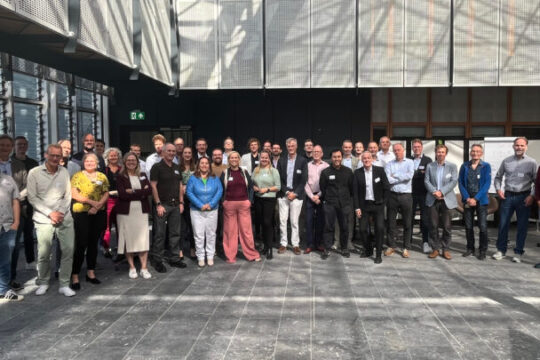
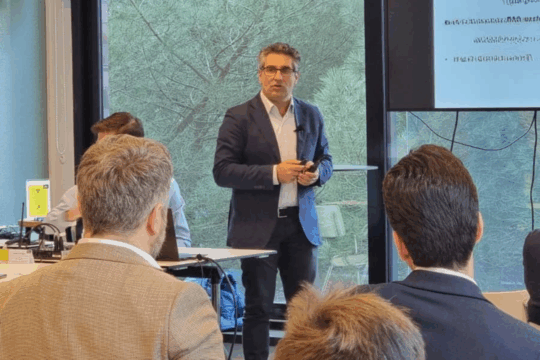
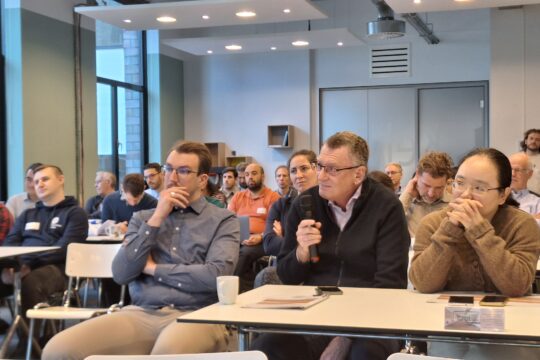
DPI welcomed over 110 researchers and industrial partners to the Autumn Meeting 2025 in Eindhoven. Across two days, participants shared research progress, exchanged insights, and celebrated five new project kick-offs.

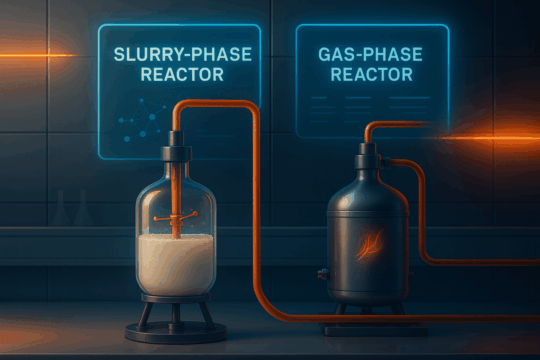
DPI welcomes the start of SLUGGER, a new project on cross-reactor catalyst modelling. We also welcome Ifrah Sheikh, who joins as the project’s PhD candidate.

The MADPY project has officially concluded, delivering predictive models that support the scale-up of chemical recycling for polyolefin waste such as polystyrene and polyethylene.

The InReP project – part of the Circular Plastics Initiative – has published a policy brief with clear recommendations for future-proof EU plastics legislation. It calls for innovation-friendly regulation, packaging standardisation and support for cascading recycling technologies.

Three early-career researchers have joined the C1_QSPR project, bringing expertise in catalyst modelling, synthesis and experimental validation. Their work supports the development of QSPR-based tools to predict catalyst performance and accelerate polymer innovation.